

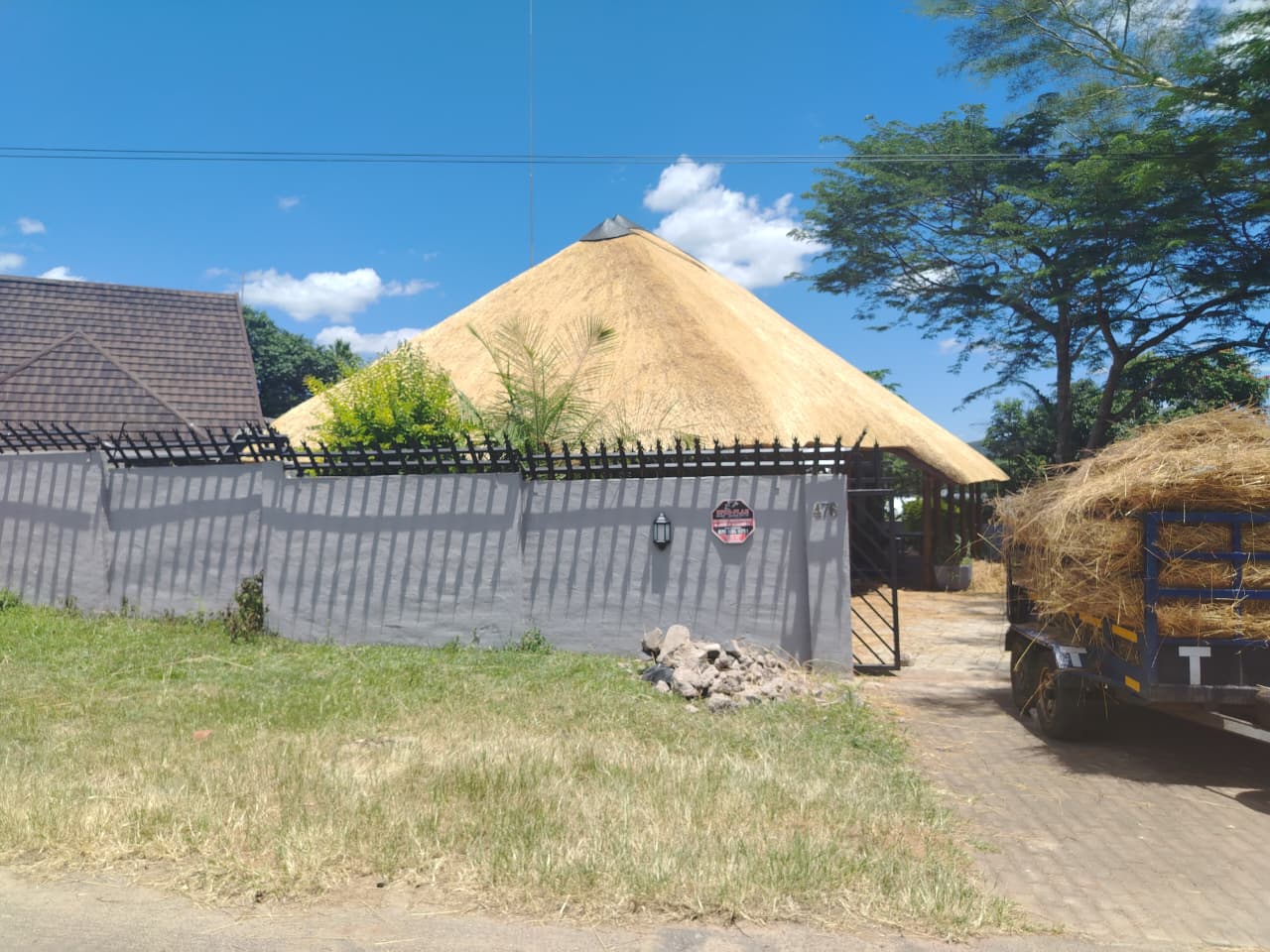
Thatch Roof Insurance Compliance: What Homeowners Need to Know
Thatch roofs are beautiful, natural, and durable—but they come with specific insurance requirements that every property owner needs to understand. If your roof is not compliant, insurers may reject claims or even cancel your cover altogether.
So, where should you start?
Understanding Insurance Compliance for Thatch Roofs
Insurance compliance simply means your thatch roof meets the safety standards required by insurers. These standards are designed to reduce fire risk and ensure your property is protected.
When assessing compliance, insurers typically look for:
- Thatch roof condition – Is the roof well-maintained and structurally sound?
- Fire protection measures – Are systems in place to prevent or contain fires?
- Proper certifications – Do you have valid documentation confirming compliance?
Without these in place, your insurance policy could be at risk.
Key Elements of a Compliant Thatch Roof
To meet insurance requirements, your thatch roof should include:
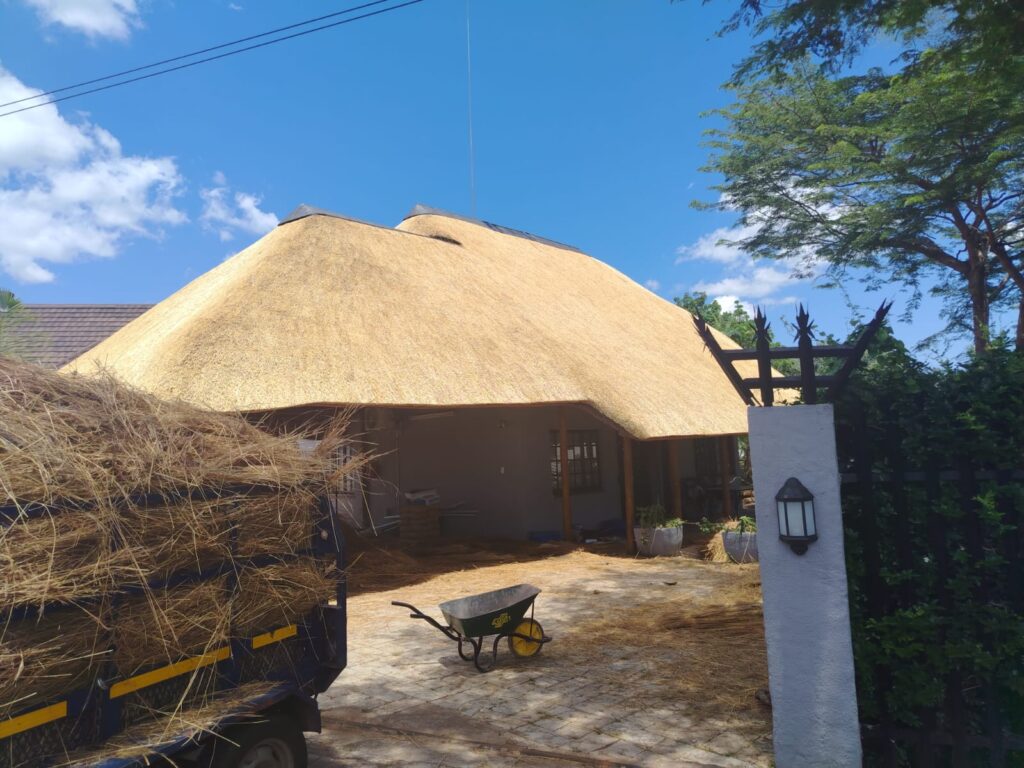
- Spark arresters to prevent embers from igniting the roof
- Lightning protection systems such as lightning poles
- Fire extinguishers placed strategically on the property
- Fire retardant treatment applied to reduce flammability
- Regular inspections and maintenance
Each of these plays a role in reducing risk and ensuring your insurer is satisfied.
Where to Get Insurance Compliance Done
The safest approach is to work with a specialist who understands both thatching and insurance standards.
PJD Thatch provides a complete solution for thatch roof insurance compliance. Instead of dealing with multiple service providers, everything is handled in one place.
Their services include:
- Professional thatch roof inspections
- Issuing a thatch roof assessment report and compliance certificate
- Checking and installing spark arresters, lightning systems, and fire equipment
- Applying fire retardant treatments
- Assisting with all insurance compliance requirements
This ensures your roof is not only compliant but also properly documented—something insurers require when issuing or renewing policies.
Why Certification Matters
Having a compliance certificate is not just a formality. It is proof that:
- Your roof meets safety standards
- Risk has been professionally assessed
- Your insurer can confidently cover your property
Without it, claims related to fire damage may be rejected.
Final Tip: Protect Your Roof’s Lifespan
Beyond compliance, simple maintenance can significantly extend the life of your thatch roof.
One of the most important tips:
Keep trees trimmed at least 5 meters away from the roof.
This helps to:
- Reduce fire risk
- Prevent moisture buildup
- Limit debris accumulation
Comments are closed